Fear-free handling
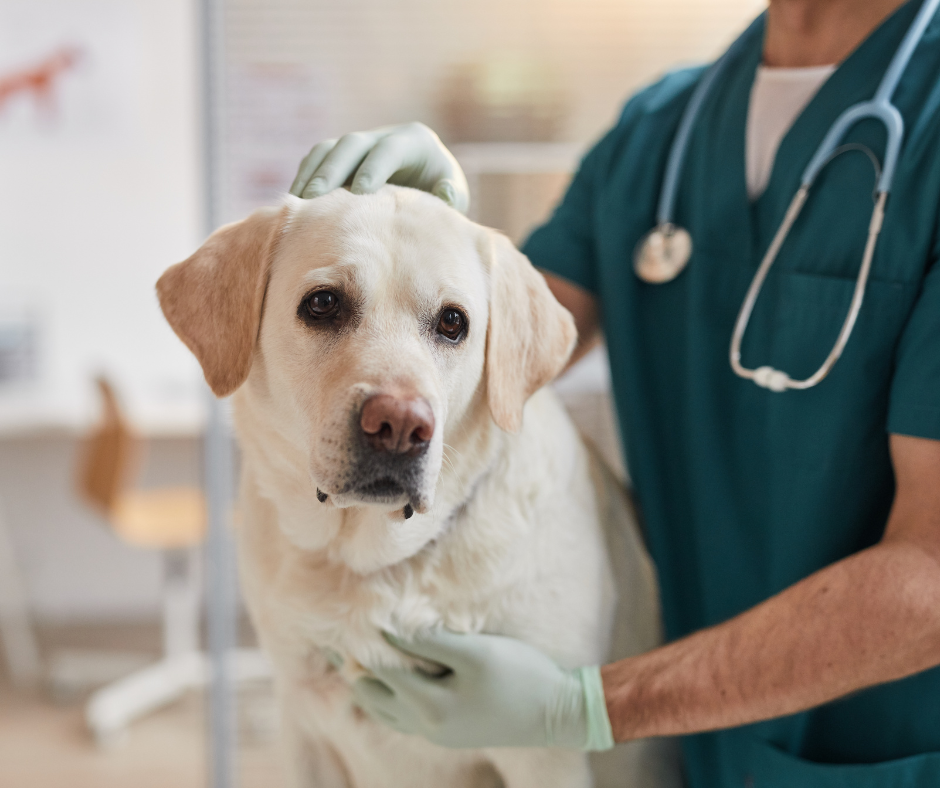
We are proud to be advocates of fear free handling. Your pet’s emotional wellbeing is as important as their physical health and we try to reflect that in every interaction with them.
Fear Free handling techniques prioritize; reducing fear, anxiety, and stress (FAS) in pets by using gentle, minimally restrictive methods and positive reinforcement. Key strategies include using treats for distraction, allowing pets to choose their position (e.g., floor exams), utilising pheromones and medication etc. The approach emphasizes “less is more” for restraint, creating a calm environment to build trust.
Key Fear Free Handling Techniques:
Gentle Control: Uses the minimum, necessary restraint, avoiding distress and discomfort for your pet.
Alternative Restraints: Using baskerville muzzles if required (which allow breathing/panting) instead of traditional muzzles for anxious dogs. This allows your dog to exhibit all natural behaviours in a safe way.
Towel Utilisation: The use of soft towels (“towel wraps” or “cat burrows”) to provide security, warmth, and traction for cats and small dogs.
Positive Reinforcement: We use high-value, tasty treats (e.g.,Lick-e-lix, treats) throughout the visit to create a positive association.
Approach from the Side: Staff avoid direct, head-on approaches; bend to the animal’s level and approach from the side to appear less intimidating.
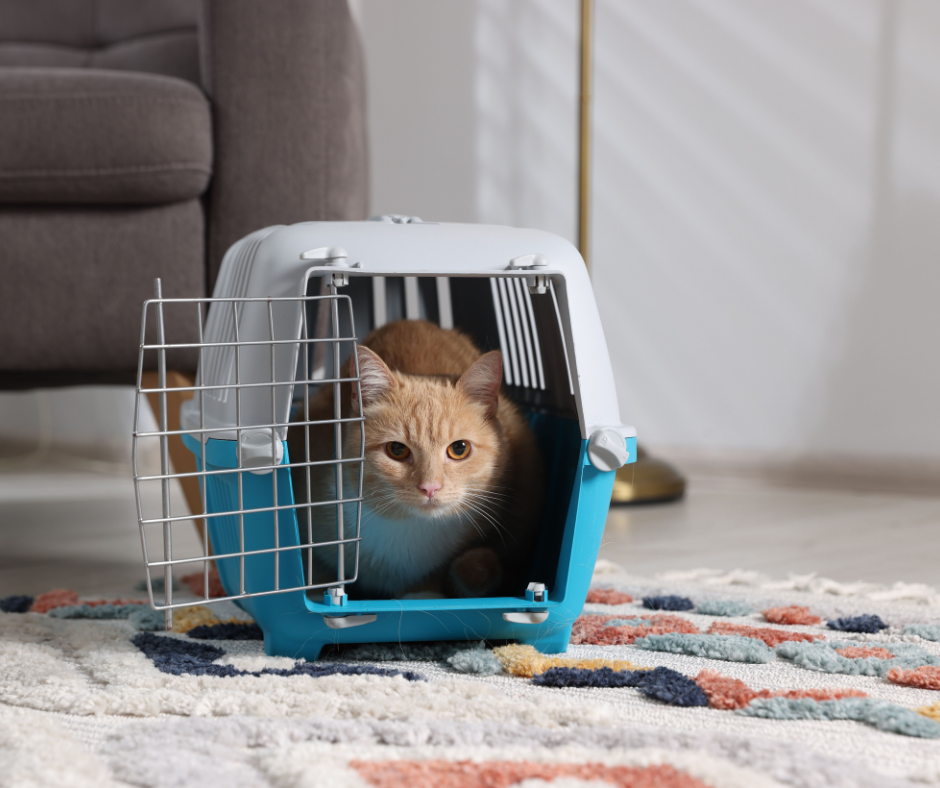
Comfortable Positions: We allow animals to stay in their carriers, on their owner’s lap, or on the floor rather than forcing them onto an examination table if they’re worried.
“Less is More” for Handling: We use gentle, consistent touch. Rather than grabbing a paw for example, we gently guide our touch from the shoulder down to the leg.
Timing of appointments: We may suggest that you attend the practice at a certain time, allowing your pet to avoid a busy time in the waiting room or to avoid conflict with other patients (especially important for reactive dogs). We can offer extended appointments if you feel that this is necessary.
If you have any questions or concerns prior to your visit please call or email the surgery and a member of the team will be happy to talk with you.